
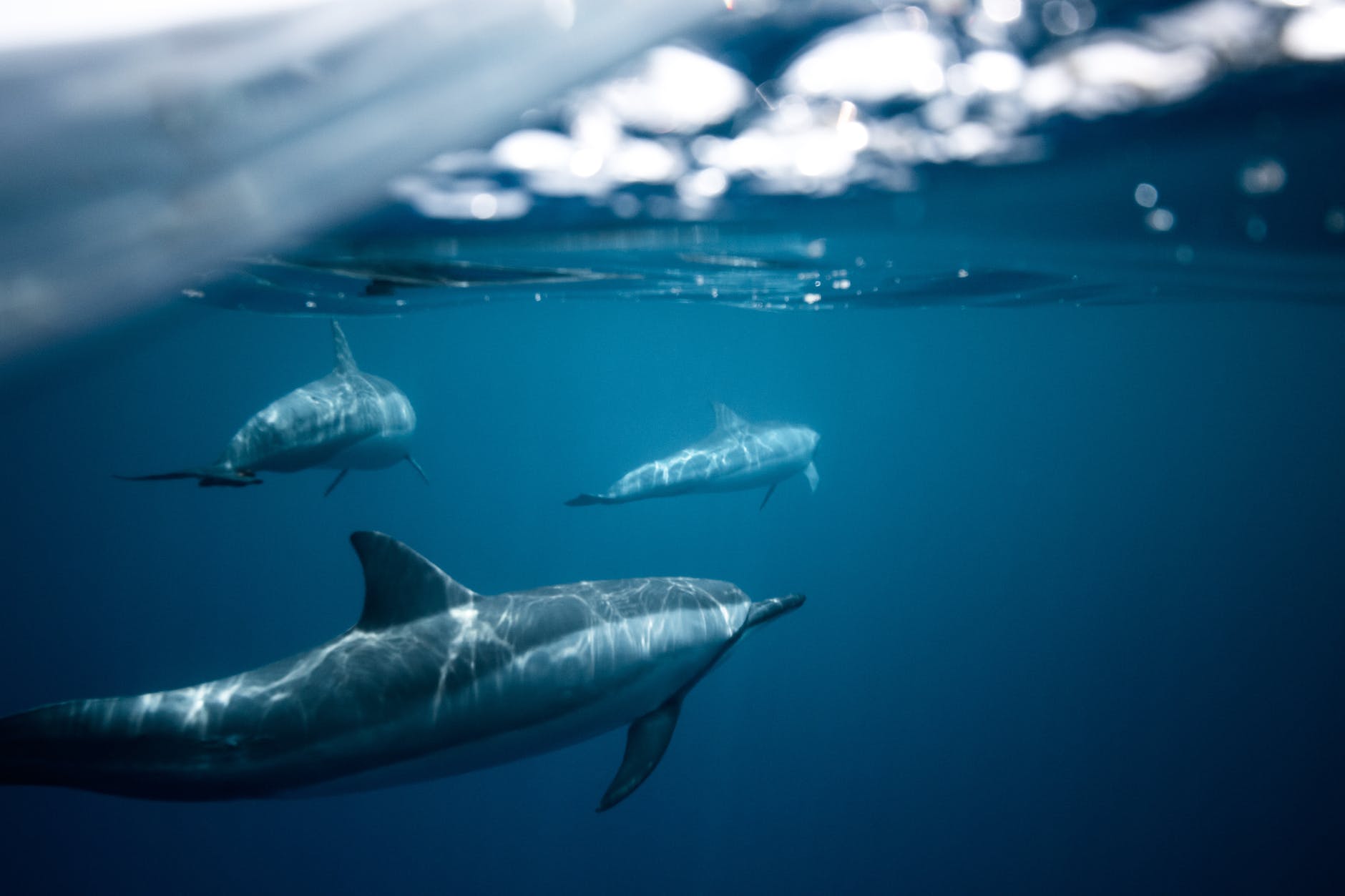
Experiencing the presence of wildlife up close is undeniably a momentous and cherished travel encounter, adding a distinctiveness to any journey abroad.
I deeply understand the desire to engage with wildlife and appreciate their beauty. However, it’s important to consider the potential harm that certain forms of wildlife tourism can cause to these magnificent creatures. Activities such as animal rides, zoos, selfies, or shows can have a negative impact on the well-being of the animals involved. To ensure their safety and happiness, it is crucial that we observe wild animals in their natural habitats, treating them with utmost respect and recognizing their intrinsic value rather than merely seeking entertainment from them.
During my extensive travels, I have had the privilege of learning from various encounters, both positive and unfortunate. As a result, I have compiled a comprehensive list of animal tourist attractions that I strongly recommend avoiding, along with alternative options that promise a more ethical and compassionate experience.
But first…
Why Avoid Most Wildlife Tourism?
Participating in wildlife tourism raises critical ethical concerns, primarily centered on the exploitation of animals for human entertainment. These attractions frequently involve the removal of animals from their natural environments, subjecting them to domesticated behaviors that cater to tourist enjoyment. Whether it’s the spectacle of dolphins performing tricks or the seemingly harmless act of posing for a selfie with an elephant, the underlying issues are far from innocent.


1. Exploitation of Natural Behaviors
Wildlife tourism often necessitates animals displaying behaviors that are unnatural to their species. These forced behaviors are aimed at captivating tourists and providing entertainment. Unfortunately, these acts bear little resemblance to the animals’ innate behaviors, distorting their natural instincts for human pleasure.
2. Cruel Methods of Control
Behind the veneer of smiles and seemingly compliant animals lies a dark reality of cruelty and control. Handlers and employees often resort to harsh tactics to enforce obedience. These methods range from confining animals in small spaces to separating them from their companions and, disturbingly, using violence as a means of dominance. The psychological and physical toll on the animals is often severe and lasting.
3. Distortion of Animal Welfare
The confinement and manipulation of animals for tourism purposes disregards their well-being and autonomy. It treats them as mere commodities, stripping them of their dignity and right to live as they would in their natural environments. This distortion of animal welfare perpetuates a cycle of suffering and exploitation.
4. Advocating for Responsible Choices
By acknowledging the ethical concerns surrounding wildlife tourism, we can make informed choices that promote the well-being and dignity of animals. Opting for alternatives that prioritize observation of animals in their natural habitats, support conservation efforts, and reject exploitative practices is a step towards creating a more compassionate and respectful relationship between humans and the animal kingdom.
Remember, as a paying tourist, YOU have the incredible POWER to make a real difference by actively opting for ethical choices, effectively putting an END to the heartless treatment of animals.
Animal Tourism to Avoid and Alternatives
1. Wildlife Experiences
Wildlife tourism offers thrilling experiences like walking with lions or swimming with sharks. However, it’s important to think about the potential harm caused by these activities, such as disruption of ecosystems, strained animal-human relationships, and stress on wildlife and the environment.
1.1 Unmasking Shark Diving


For thrill-seekers, shark diving has become a sought-after adventure. The experience of being enclosed in a cage while sharks swim nearby is undeniably exhilarating. However, the practices used to attract sharks to these diving sites raise ecological concerns. Chumming, the process of releasing minced fish into the water to lure the sharks, can disrupt the balance of marine ecosystems and lead sharks to associate humans with food. This, in turn, might foster aggressive behavior in these typically elusive creatures.
1.2 Crocodile Farms


Crocodile farms have been a staple of wildlife tourism, promising close-up interactions with these ancient reptiles. However, these farms often prioritize entertainment over the well-being of the animals. Tourists may be invited to feed crocodiles, partake in stunt shows, and snap selfies. Yet, behind the scenes, the animals endure captivity and cruelty.
1.3 Encounters with Big Cats


Walking with lions, a popular attraction in places like South Africa, highlights another problematic facet of wildlife tourism. Often, to ensure tourist safety, lion cubs are separated from their mothers at a young age and subjected to human interaction. This early separation and training in unnatural conditions can lead to a range of negative consequences for these animals.
Responsible Choices: Ethical Alternatives to Wildlife Tourism
When seeking the chance to witness animals in their natural habitats, responsible choices can ensure a harmonious coexistence between humans and wildlife. Here are a couple of thoughtfully curated alternatives that offer the opportunity to observe and appreciate animals without causing harm:
1. Respectful Wildlife Safaris: A Window into Nature


For those eager to experience the wonder of wildlife in its natural setting, consider opting for a respectful wildlife safari. Seek out reputable tour operators that prioritize the well-being of animals and their habitats. A safari experience guided by trained professionals, provides a remarkable opportunity to quietly observe magnificent creatures like elephants and leopards from a respectful distance. By participating in such tours, you contribute to the local economy while ensuring minimal disruption to the animals’ lives.
2. Immersive Nature Walks: Discover the Subtle Beauty


Another ethical alternative to wildlife tourism is engaging in immersive nature walks. Choose destinations known for their diverse ecosystems and opt for guided walks led by knowledgeable experts. This approach allows you to explore habitats at a pace that respects the animals’ routines while gaining insights into their behaviors and habitats. Whether it’s birdwatching in Costa Rica’s rainforests or tracking gorillas in Rwanda’s national parks, these experiences foster a deep connection with nature while upholding ethical principles.
2. Zoos & Aquariums
Zoos and aquariums have long been touted as centers of education and conservation, aiming to protect and raise awareness about various species. While proponents argue that these establishments contribute to safeguarding endangered animals, a closer examination reveals a complex tapestry of ethical concerns. In this article, we unravel the intricacies of the zoo and aquarium industry and explore more compassionate and responsible alternatives.


2.1 Challenging the Conservation Narrative
The argument for zoos and aquariums often centers around their role in conserving threatened species. However, the true balance between benefits and drawbacks remains unclear. These institutions, while attempting to provide safe havens for animals, can inadvertently compromise their physical and mental well-being. Instead of relying solely on captive environments, we must embrace holistic conservation approaches that prioritize natural habitats and ecosystem preservation.
2.2 The Captivity Conundrum
One of the most significant issues surrounding zoos and aquariums is the captivity of wild animals. These magnificent creatures, meant to roam vast landscapes or explore ocean depths, find themselves confined within limited spaces that pale in comparison to their natural homes. Consider the plight of dolphins and orcas, evolved to navigate the open ocean, yet constrained to small enclosures that fail to capture the essence of their habitats. This deprivation of freedom and space raises poignant questions about the morality of such practices.
2.3. The Perils of Performance
The spectacles often witnessed in zoos and aquariums, where animals perform tricks for visitors, raise concerns about animal welfare. Behind these seemingly enchanting shows lies a darker reality: the animals involved are coerced into performing through methods that can be characterized as cruel and inhumane. Separating young animals from their mothers, restraining them with chains, and utilizing forceful tactics undermine the animals’ dignity and well-being. Recognizing animal performances as potential signs of distress is a critical step towards fostering ethical change.
2.4. Disturbing Natural Rhythms
In their native habitats, animals adhere to instinctual rhythms that synchronize with their environment. This equilibrium is disrupted within the confines of zoos and aquariums, where animals are subjected to constant human observation and altered routines. Nocturnal creatures like tigers and lions, coerced into adapting to daytime activity to entertain visitors, bear the brunt of this disruption. The toll this takes on their physical and psychological health cannot be ignored, urging us to seek alternatives that respect their innate behaviors.
Exploring Compassionate Alternatives to Zoos & Aquariums
When it comes to engaging with animals and nature, there are numerous compassionate alternatives that align with the principles of ethical treatment and conservation. Here are some thoughtfully curated options that allow you to connect with wildlife while respecting their well-being:
1. Ethical Wildlife Sanctuaries: A Meaningful Encounter


Rather than supporting traditional zoos, consider visiting ethical wildlife sanctuaries that prioritize the rehabilitation and well-being of animals. Research extensively to find reputable sanctuaries that adhere to ethical standards and prioritize conservation. Platforms like the Global Federation of Wildlife Sanctuaries can guide you in making responsible choices that support genuine animal welfare.
2. Embrace the Underwater World: Snorkeling and Diving Adventures


Instead of observing marine life in captivity, immerse yourself in their natural habitats through snorkeling and diving. Obtaining your PADI diving certificate opens up a world of underwater exploration while respecting the animals’ freedom and environment. Countries like Thailand, Egypt, and Malta offer excellent opportunities to acquire your PADI certification and witness the mesmerizing beauty of marine ecosystems up close.
3. Dive into Conservation: Volunteering for Sea Life


For those captivated by marine life, channel your passion into meaningful action by volunteering with organizations dedicated to sea life conservation. The Sea Turtle Conservancy in Costa Rica is a prime example, focusing on research, education, and the preservation of sea turtles and their habitats. By contributing your time and effort, you actively contribute to the safeguarding of these majestic creatures for generations to come. Participating in beach clean-ups is another impactful way to protect ocean ecosystems and make them safer for aquatic life.
3. Animal Riding
3.1. Riding Elephants: Unmasking Cruelty


One of the most contentious practices in animal tourism is riding elephants in Asia. Despite the perception of these creatures as calm and human-loving, the process behind taming them for rides is often cruel and violent. Separating calves from mothers, chaining them, and using harmful and brutal methods to establish dominance are all too common.
Instead of participating in these activities, tourists can support ethical wildlife sanctuaries that focus on the conservation and well-being of elephants in their natural habitats.
3.2. Camel Rides: Reconsidering Tradition


In countries like Morocco and Egypt, camel rides have historical significance as a means of transportation. However, the demand for camel rides as a tourist attraction can lead to unnecessary exploitation.
Rather than participating in rides that often impose discomfort on the animals and contribute to their mistreatment, travelers can choose to explore these destinations on foot. This approach not only respects the animals but also allows for a more immersive and respectful experience of the local culture.
3.3. Horse Carriages: Questioning Tradition


The romantic appeal of horse carriage rides in cities can belie the harsh realities faced by the horses involved. These animals are often overworked, subjected to long hours, and exposed to traffic-related health risks. Their lives are far from the idealized scenes depicted in carriage rides.
By opting for eco-friendly transportation options or walking, travelers can contribute to the well-being of these animals and promote a more humane form of tourism.
3.4. Donkey Rides: Challenging Cruelty


The sight of donkeys carrying tourists up hills in destinations like Santorini, Greece, is not as idyllic as it may seem. These animals endure extreme heat with little to no water, inadequate care, and mistreatment by their handlers. The saddles they wear can cause painful sores, impacting their well-being.
Instead of supporting this exploitative practice, travelers can choose to walk or use alternative transportation methods that prioritize both their comfort and ethical considerations.
3.5. Horse-Back Riding: Observing Animal Well-being


When engaging in horse-back riding, responsible travelers pay close attention to the condition of the horses and the way they are treated by guides. Excessive whipping or signs of mistreatment should serve as red flags, prompting travelers to seek alternatives that prioritize the dignity and comfort of the animals.
Embracing Compassionate Choices: Alternatives to Animal Riding
In a world where responsible tourism is becoming increasingly vital, it’s essential to reconsider our interactions with animals. The practice of riding animals, often fueled by entertainment or convenience, can inadvertently perpetuate cruelty and exploitation. By exploring alternatives that prioritize the well-being of animals and support ethical practices, we can contribute to a more harmonious coexistence between humans and the animal kingdom.
1. Respectful Observation: A Kinder Approach


When encountering animals traditionally used for riding, consider opting for respectful observation instead. Rather than engaging in activities solely for pleasure, choose to walk alongside the animal or observe them from a distance. This allows you to appreciate their presence without contributing to practices that compromise their welfare.
2. Eco-Friendly Transportation: Making Informed Choices
If animal riding is used as a form of transportation, seek eco-friendly alternatives such as walking or utilizing public transportation. Choosing these methods not only minimizes your ecological footprint but also eliminates the demand for animal exploitation in the name of convenience.
3. Supporting Ethical Tourism: Transforming the Industry
It’s important to recognize that our choices as travelers have the power to influence the future of animal tourism. By refraining from financially supporting animal-riding activities, we can contribute to a shift away from these practices.
Instead of investing in such experiences, direct your resources towards ethical safaris that allow animals to thrive in their natural habitats or consider visiting reputable sanctuaries that prioritize the well-being of creatures in need.
4. Educate and Raise Awareness: Advocate for Change
Empower yourself with knowledge about the unethical practices associated with animal rides. Educate fellow travelers and locals alike about the ethical concerns surrounding these activities. By raising awareness, you play a crucial role in changing mindsets and fostering a collective commitment to more compassionate forms of tourism.
4. Wildlife Sanctuaries
While some wildlife sanctuaries undoubtedly contribute positively to animal welfare, it’s crucial to exercise discernment and ethical consideration when engaging with these establishments.
Not all sanctuaries live up to their promises, and the involvement of tourists in animal interactions can signal a disregard for the creatures’ well-being. Here, we delve into the nuances of wildlife sanctuaries, offering insights and alternatives for responsible wildlife engagement.


4.1. Unmasking Unethical Sanctuaries: Scrutinizing Claims
Despite the presence of seemingly positive terms like ‘roam freely,’ ‘conservation,’ and ‘wildlife protection,’ not all sanctuaries align with ethical practices. A significant red flag is the offer of tourist-animal interactions, such as posing for photos with exotic creatures. These interactions often come at the expense of the animals’ well-being. Even sanctuaries that claim to save animals from poaching may permit activities like elephant riding. Engage in thorough research and question the authenticity of these experiences before visiting.
4.1. Tiger Selfies: A Closer Look


One striking example of exploitative wildlife tourism is the infamous tiger selfies phenomenon in Asia. Travelers seeking to capture a moment with majestic tigers are often oblivious to the harsh reality behind these images. Tigers, being wild and inherently cautious animals, cannot calmly interact with humans. In many cases, these encounters are enabled by drugging the animals to suppress their natural instincts. Thailand, a hotspot for this type of activity, has seen tigers separated from their mothers, confined to small spaces, and subjected to extreme stress. Notably, even sanctuaries like the Tiger Kingdom have faced allegations of involvement in illegal wildlife trade, animal cruelty and illegal wildlife trafficking and breeding.
4.2. Elephant Rides: The Dark Side of Wildlife Sanctuaries

The allure of elephant rides within sanctuaries might seem like a chance to connect with these magnificent creatures up close. However, the hidden truth beneath this facade is often marred by exploitation and cruelty. Elephants, revered as symbols of intelligence and grace, are subjected to a process that compromises their well-being and dignity to cater to tourist desires.
Behind the scenes, elephants used for rides endure unimaginable suffering. As young calves, they are often forcibly separated from their mothers, leading to immense psychological distress for both. The process of breaking their spirit involves cruel methods, including brutal physical punishment, chaining, and even the use of painful tools like hot pokers. The purpose is to condition these majestic creatures to tolerate the presence and weight of tourists on their backs.


Sadly, even some establishments that present themselves as sanctuaries participate in this unethical practice. Their claims of conservation and protection can mask a darker reality where animals are used purely for financial gain. The spectacle of elephant rides attracts tourists willing to pay for this “once-in-a-lifetime” experience, inadvertently perpetuating the suffering of these animals.
Selecting Responsible Alternatives to Wildlife Sanctuaries
When it comes to ethical wildlife interactions, it can be quite challenging to differentiate between genuine sanctuaries that truly prioritize the well-being of animals and those that may fall short of their claims. However, I understand the importance of making informed decisions in such matters. Luckily, there are valuable resources available to assist you, such as the Global Federation of Sanctuaries database. By carefully selecting a sanctuary that aligns with conservation efforts, has a reputable track record, and avoids intrusive interactions like photography or physical contact, we can ensure that the welfare of animals remains a top priority.
1. Research and Verify: Ethical Sanctuary Selection
Finding ethical wildlife sanctuaries requires diligence and scrutiny. Leverage resources like the Global Federation of Sanctuaries to identify establishments that uphold ethical standards. Look for sanctuaries that prioritize conservation efforts, have a history of responsible practices, and are transparent about their mission and operations. Verify that they prioritize the animals’ well-being over profit.
2. Seek Wilderness Experiences: Embrace the Natural World


For a truly authentic encounter with wildlife, consider venturing into the wilderness. Opt for experiences like a canoe trip down the river, where the untamed beauty of nature unfolds before you. These immersive journeys offer the chance to glimpse exquisite exotic animals in their natural habitats, free from the constraints of captivity.
3. Promote Observational Respect: Prioritize Animal Dignity
When selecting alternatives, prioritize experiences that respect the animals’ dignity and natural behaviors. Avoid interactions that involve touching or capturing photos of animals in captivity, as these can perpetuate a cycle of exploitation. Instead, focus on experiences that allow animals to thrive in their own habitats without being compromised by human presence.
4. Educate and Advocate: Spreading Awareness
By choosing ethical alternatives and sharing your experiences, you contribute to a broader awareness of responsible wildlife tourism. Educate fellow travelers about the importance of selecting sanctuaries that prioritize conservation and animal well-being. Encourage a shift in tourism practices by advocating for ethical choices.
5. Volunteer
Support sanctuaries that emphasize education, rehabilitation, and conservation efforts. Volunteering your time can have a positive impact on both the animals and the environment.

Hi there! I hope you’re enjoying my free travel guides & tips! If so, please consider supporting my work. 🤗
Leave a Reply